
Research Lines
EBM Research Lines and cooperation with another R&D entities
Investigação
Linhas de Investigação
EBM focuses its activity in the field of research and technology transfer mainly on low-density areas with semi-arid and arid Mediterranean contexts and can be grouped into four thematic areas, considering Climate Change as a transversal theme:


Alterações climáticas
Biodiversity
- Development and application of innovative methods and tools for the assessment and long-term monitoring of biodiversity and environmental parameters in terrestrial and aquatic ecosystems;
- Implementation of innovative systems for identifying, modelling, mapping and analysing habitats, biodiversity, environmental risks and human activities;
- Inventory and monitoring of the diversity and abundance of natural populations of fauna and flora;
- Promoting studies on the ecological restoration of degraded ecosystems;
- Monitoring the impact of global climate change and anthropogenic disturbances on terrestrial and aquatic ecosystems;
- Promoting knowledge in the field of ecology and evolution of fauna and flora, particularly threatened species;
- Evaluating and monitoring genetic diversity, particularly of threatened species but also of native breeds;
- Promoting knowledge of Archaeobotany and Archaeozoology.
Agroecology
- Promotion of knowledge of ecological and socio-ecological processes in agricultural ecosystems and the landscape;
- Valorisation of sustainable agrifood systems;
- Valorisation and studies of native breeds and varieties (fauna and flora);
- Study and promotion of the resilience, productivity, and ecosystem services of forests and agroforests in a semi-arid Mediterranean context;
- Promotion of agrobiodiversity and sustainability of agricultural activities;
- Promotion of knowledge of soil biodiversity and microbiome and their role in the improvement of sustainable production, soil regeneration and resilience;
- Implementation of traceability and certification systems for animal and plant products;
- Support for the development of public policies and governance for agroecological transition.
Wild Resources
- Promotion of scientific knowledge for the valorisation of wild resources;
- Monitoring densities and health evaluation of natural populations of wild species;
- Innovation in integrated ecological processes in forest management, capable of maximising biodiversity and the persistence of wild populations;
- Valorisation and monitoring of the icthyofauna of the Mediterranean region, particularly the Guadiana River basin.
Game Resources
- Development of sustainable practices in game management;
- Monitoring densities and health evaluation of natural populations of game species;
- Valorisation of the genetic heritage of game species;
- Innovation in regenerative game management practices and integrated ecological processes in game management to promote the conservation and preservation of game resources.
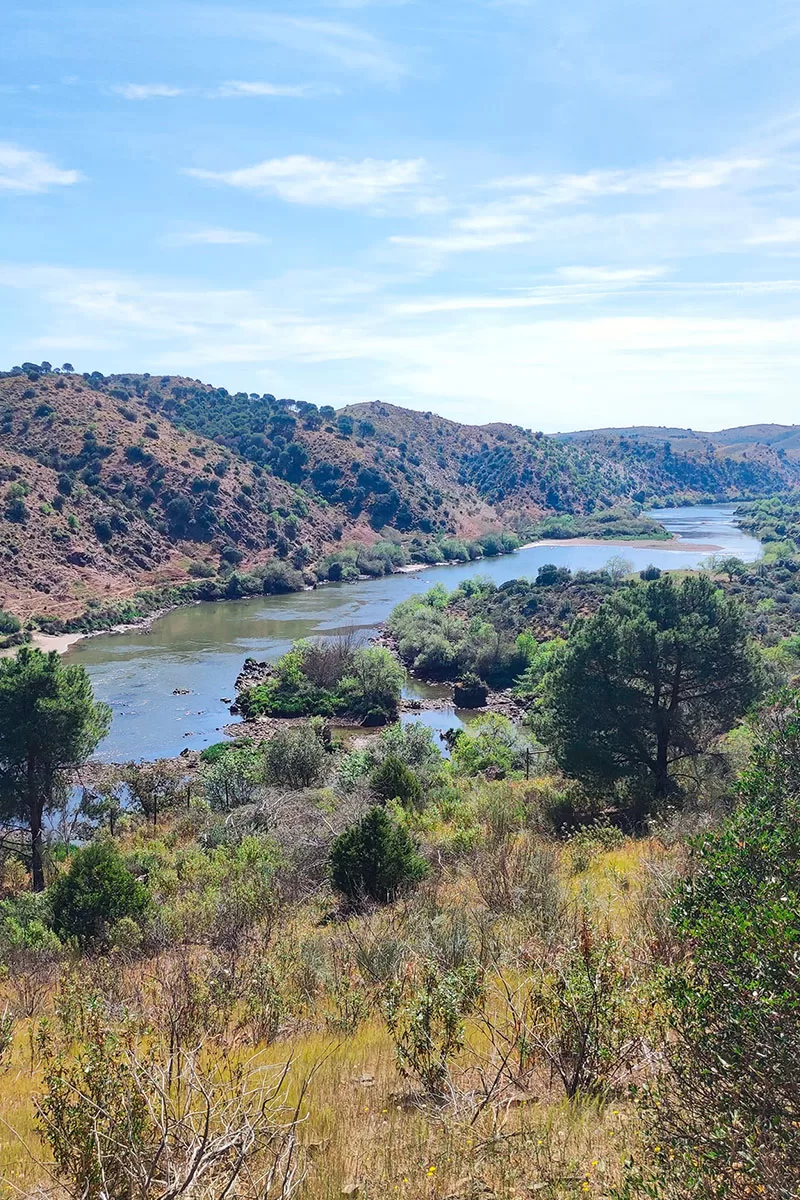
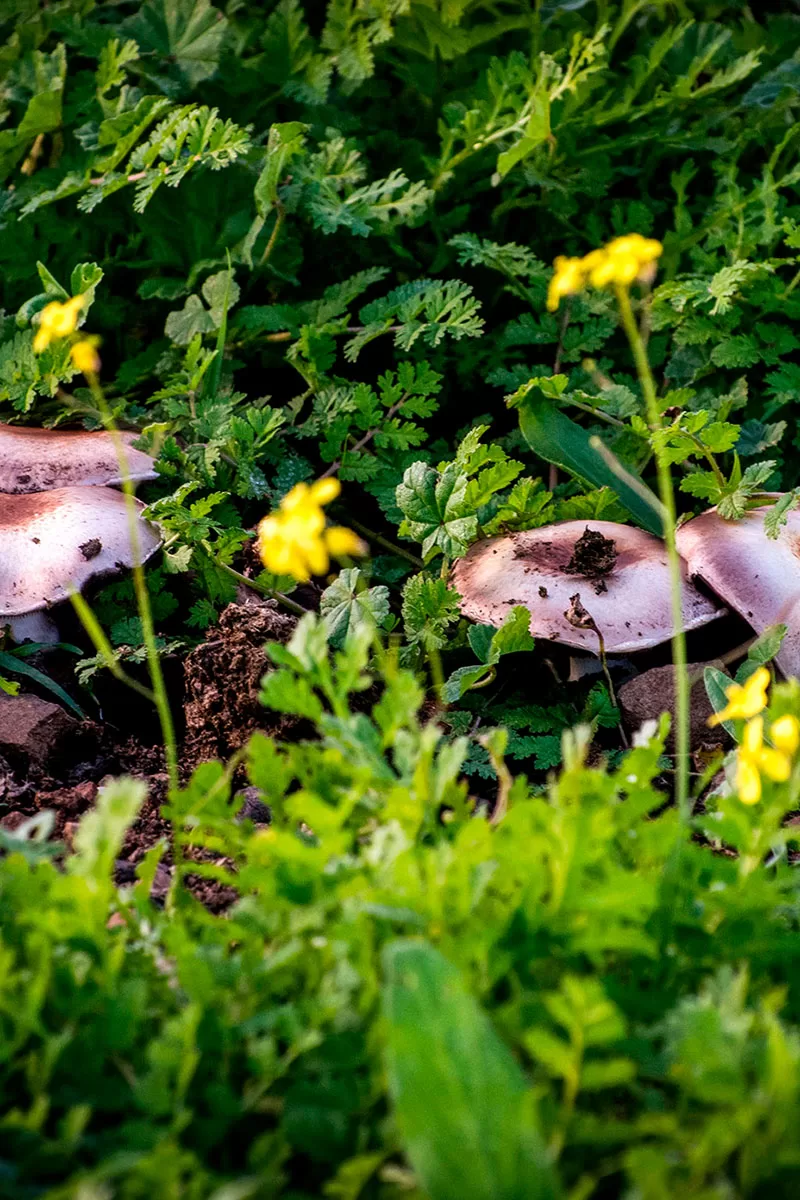
Photos:
Biodiversity and Agroecology: Credits: Marisa Rodrigues; Wild and Game Resources: Credits to the Municipality of Mértola